Mia Lange · 8 September 2026
Platform Switches Reshaping Keyword Stability in Competitive Digital Sectors
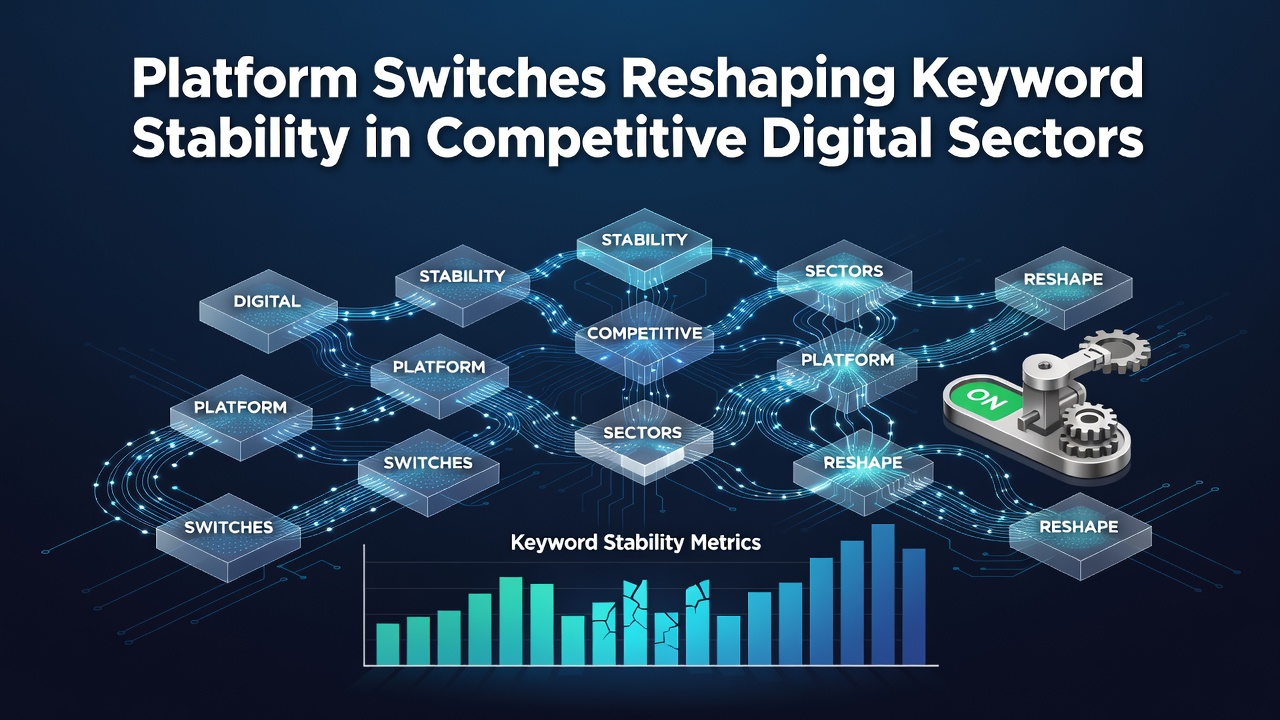
Platform switches in competitive digital sectors have altered how keywords maintain their positions across search engines and content networks, with data from industry reports showing measurable shifts in ranking consistency after migrations between major services. Organizations that manage high-volume content operations often track these changes through analytics dashboards that compare pre- and post-switch performance metrics, revealing patterns where certain terms lose visibility while others gain traction under new algorithmic conditions.
Understanding Platform Dynamics in Keyword Contexts
Competitive digital sectors such as e-commerce, finance, and technology rely on stable keyword rankings to sustain organic traffic, yet switches from one platform to another introduce variables that affect indexation speed and relevance signals. Researchers at academic institutions have documented how these transitions influence crawl budgets and ranking algorithms, particularly when sites move between content management systems or advertising networks that employ differing prioritization methods. Data indicates that keyword stability decreases during the initial weeks following a switch, as search engines re-evaluate content signals against updated infrastructure.
Those who monitor sector-wide trends observe that platform changes frequently coincide with adjustments in how user engagement metrics feed into ranking formulas. Studies from European regulatory bodies on digital market competition highlight cases where companies experienced temporary drops in keyword positions after migrating data to alternative hosting environments, though recovery timelines varied based on the scale of the transition and the quality of redirect implementations.
Key Factors Driving Keyword Fluctuations
Several technical elements contribute to keyword instability during platform switches, including alterations in site architecture, changes in metadata handling, and shifts in how structured data integrates with external indexes. Observers note that when enterprises adopt new content delivery networks or analytics tools, the resulting variations in page load times and mobile optimization can influence how search algorithms assess topical authority. Figures from research papers on digital infrastructure reveal correlations between these technical adjustments and ranking volatility in sectors where competition for high-value terms remains intense.
Sector-Specific Examples
In the technology sector, companies that transitioned between cloud-based publishing platforms reported differences in how product-related keywords performed after the move, with some terms retaining their positions while others required additional optimization to recover. A similar pattern appears in financial services, where regulatory compliance content often faces stricter evaluation following platform updates, as documented in reports from Canadian government agencies overseeing digital commerce. Those analyzing these cases find that sectors with heavy reliance on timely information tend to experience more pronounced effects on keyword stability compared to industries with evergreen content.

What's interesting here is how external factors compound these effects, since platform switches often occur alongside broader algorithm updates from major search providers. Evidence from industry organizations tracking digital advertising shows that keywords tied to seasonal campaigns may exhibit greater sensitivity during migration periods, as timing overlaps with changes in user search behavior. And in September 2026, ongoing shifts in platform policies continue to shape these dynamics, with analysts tracking how new data handling requirements influence indexation across multiple jurisdictions.
Measurement Approaches and Data Insights
Professionals in the field employ rank tracking software and comparative analytics to quantify keyword stability before and after platform changes, generating datasets that reveal recovery rates and long-term positioning trends. Research from university studies on information retrieval demonstrates that sites implementing thorough pre-migration audits maintain higher levels of consistency in keyword performance, particularly when they preserve historical URL structures and internal linking patterns. Data from these analyses indicates that the ball remains in the court of technical teams responsible for executing clean transitions without disrupting established signals.
External links to authoritative sources provide additional context on these trends. According to reports from the Australian Competition and Consumer Commission, digital market participants face evolving requirements that indirectly affect how content platforms handle keyword-related data. Meanwhile, findings published by the International Telecommunication Union outline global standards for digital infrastructure that influence stability across competitive sectors.
Adaptation Strategies Observed in Practice
Organizations responding to these platform-driven changes often adopt phased migration approaches that allow for continuous monitoring of keyword metrics throughout the process. Case studies from research institutions show that teams which prioritize schema markup consistency and server-side redirects experience fewer disruptions in ranking signals compared to those handling abrupt full-scale switches. The reality is that keyword stability depends on multiple interconnected factors, so practitioners combine technical adjustments with ongoing performance reviews to address fluctuations as they emerge.
Conclusion
Platform switches continue to reshape keyword stability in competitive digital sectors through a combination of technical, algorithmic, and timing-related variables, with available data underscoring the importance of structured transition planning. Researchers and analysts across regions document these patterns through ongoing studies that track performance metrics and inform future practices in content management and search optimization. As sectors evolve, the connections between platform infrastructure and keyword outcomes remain a focal point for those managing digital operations.